Owl Boxes vs Bat Houses: Which Natural Pest Controller Do You Need?

Modern homeowners are increasingly moving away from chemical pesticides and toward natural, sustainable pest control solutions.
Introduction: Natural Pest Control Is Changing Backyard Living
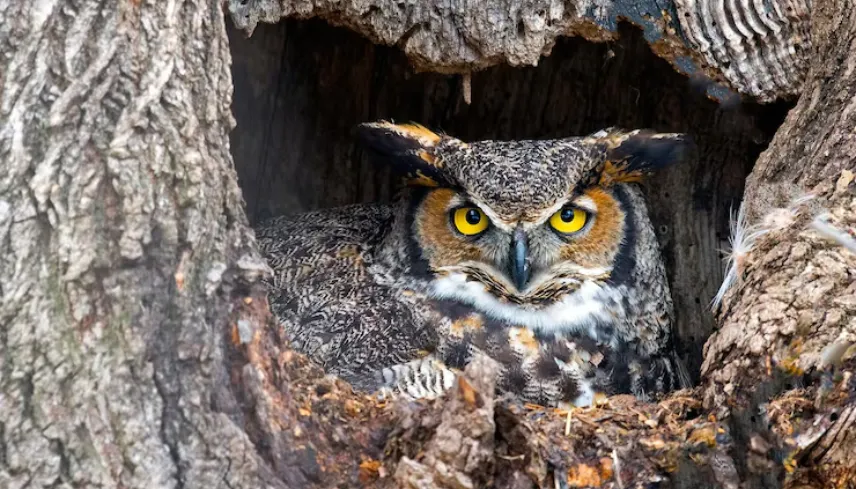
Modern homeowners are increasingly moving away from chemical pesticides and toward natural, sustainable pest control solutions. Instead of spraying harmful chemicals that disrupt ecosystems, many are now encouraging beneficial wildlife into their outdoor spaces. Two of the most effective and eco-friendly solutions are owl boxes and bat houses.
Both serve a similar purpose at a high level: reducing unwanted pests naturally. However, they operate in very different ways and target different types of pests. Owls primarily control rodents, while bats are nature’s most efficient insect controllers. Understanding the difference between these two solutions is key to building a balanced, healthy backyard ecosystem.
This guide breaks down owl boxes and bat houses in detail, compares their benefits, and helps you decide which one—or both—your outdoor space needs.
Understanding Owl Boxes and Their Role in Pest Control
Owl boxes are specially designed nesting structures that encourage owls to settle in residential or rural environments. These birds are natural predators, and their diet consists largely of small mammals, especially rodents.
Owls are silent hunters with exceptional night vision and hearing. They are highly effective at controlling populations of:
- Mice
- Rats
- Voles
- Small rabbits in some regions
By installing an Owl Box, homeowners essentially invite a natural rodent control system into their backyard. Unlike traps or poison, owls provide continuous, self-sustaining pest management without human intervention.
One of the biggest advantages of owl-based pest control is that it is non-invasive and chemical-free. Once an owl establishes a territory, it naturally patrols the surrounding area every night, significantly reducing rodent activity over time.
Understanding Bat Houses and Their Role in Pest Control
Bat houses serve a different but equally important ecological purpose. They provide safe roosting spaces for bats, which are among the most efficient insect-eating animals on the planet.
A single bat can consume hundreds to thousands of insects in a single night. Their diet includes:
- Mosquitoes
- Moths
- Beetles
- Flying agricultural pests
Because of this, bat houses are often used to reduce mosquito populations and improve outdoor comfort during warm seasons. They are especially valuable in areas where insect-borne irritation or disease risk is high.
Unlike owls, bats do not target rodents. Instead, they operate as aerial insect control specialists, cleaning up nighttime insect populations while remaining largely unnoticed by humans.
Key Difference: Owls vs Bats in Pest Control Strategy
The most important distinction between owl boxes and bat houses lies in what they control.
- Owls = Rodent control specialists
- Bats = Insect control specialists
Owls hunt on the ground and focus on small mammals that damage crops, gardens, and stored food. Bats hunt in the air and focus on insects that disrupt comfort and sometimes spread disease.
This means neither replaces the other. Instead, they complement each other in a well-designed backyard ecosystem.
If your primary problem is:
Rodents digging, chewing, or invading storage areas → Owls are more effective
Mosquitoes, moths, and flying insects → Bats are more effective
How Owl Boxes Work in a Backyard Ecosystem
Owl boxes are designed to mimic natural nesting environments like tree cavities or abandoned nests. When placed correctly, they encourage owls to roost and eventually establish hunting territory nearby.
Once an owl occupies a box, it begins nightly hunting routines. Owls are highly territorial, meaning a single nesting pair can cover a wide hunting range around your property.
This makes owl boxes especially effective for:
- Farms and large gardens
- Rural or suburban areas with rodent activity
- Properties near open fields or wooded regions
A key advantage is long-term impact. Unlike traps, which only remove a few rodents at a time, owls continuously regulate populations naturally, preventing reinfestation cycles.
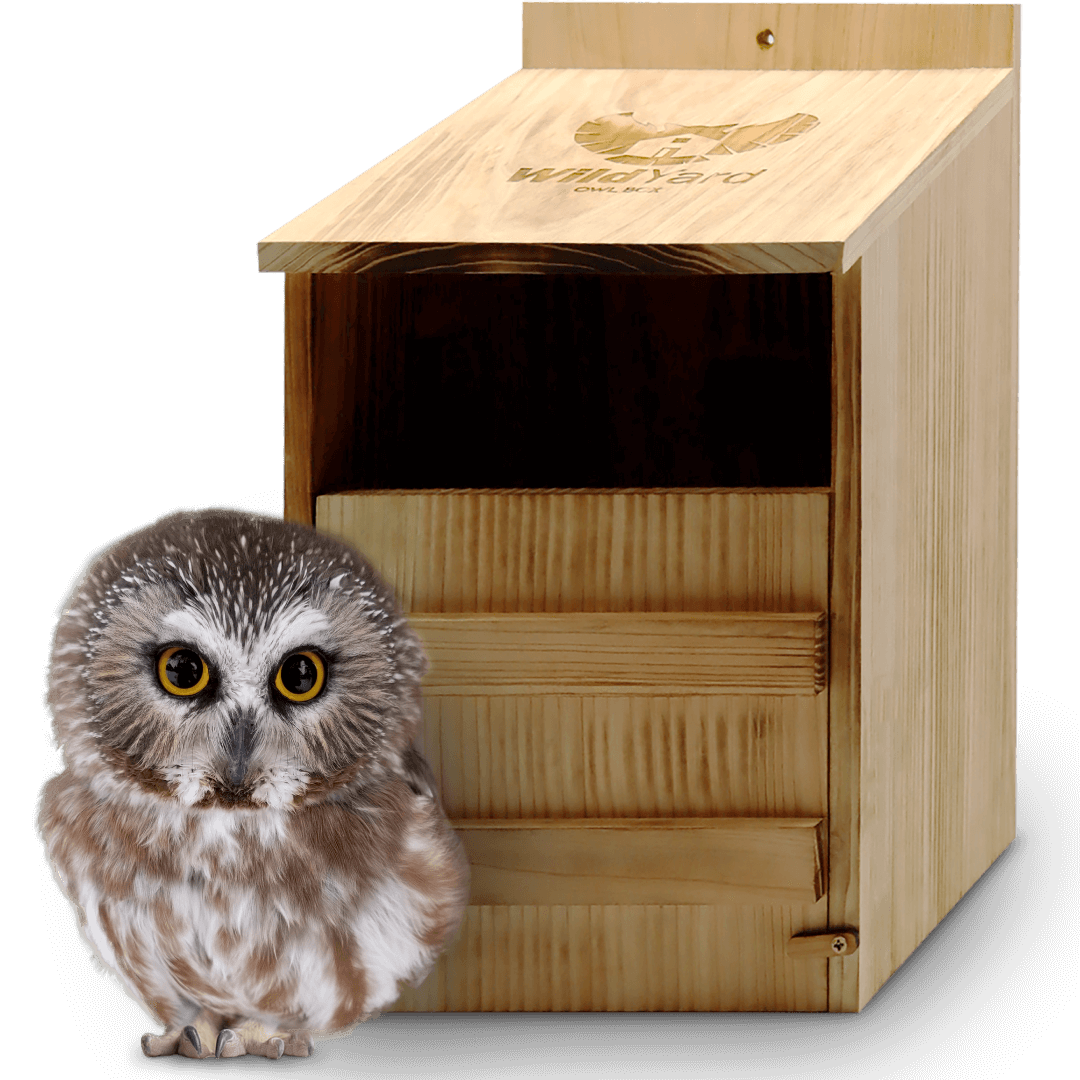
The Owl Box from Big Bat Box is designed specifically to provide a secure, weather-resistant nesting space that aligns with owl behavioral preferences, increasing the likelihood of successful habitation.
How Bat Houses Work in a Backyard Ecosystem
Bat houses are mounted structures that provide safe daytime roosting for bats. Bats sleep during the day and become active at night, when they feed on insects.
Once bats adopt a bat house, they return nightly and establish a consistent feeding routine in the surrounding area. This leads to a noticeable reduction in insect populations, particularly during warm months when mosquitoes are most active.
Bat houses are especially effective in:
- Humid climates with high mosquito populations
- Areas near water sources
- Gardens and outdoor living spaces
Unlike chemical sprays or bug zappers, bats provide ongoing, environmentally safe insect control without harming beneficial insects like bees or disrupting pollination cycles.
When Should You Install an Owl Box?
Installing an owl box is most effective when rodent activity is noticeable or when you want preventative control in rural or semi-rural environments.
Ideal situations include:
- You hear rodents at night in roofs or sheds
- You notice crop or garden damage from small mammals
- Your property is near open fields or farmland
- You want long-term natural rodent prevention
Timing also matters. Owl boxes are best installed before breeding season so owls can identify them as potential nesting sites early.
Placement is crucial for success. Owl boxes should generally be mounted:
- High above ground level
- In quiet, low-disturbance areas
- Facing open hunting grounds
When Should You Install a Bat House?
Bat houses are best installed when insect control is the primary concern, especially during warmer months when mosquito populations increase.
Ideal situations include:
- Frequent mosquito problems in summer
- Outdoor seating or dining areas affected by insects
- Gardens with nighttime insect activity
- Areas near stagnant water or vegetation
Bat houses work best when installed in warm, sunny locations because bats prefer heated roosting environments.
They should be placed:
- On tall poles or buildings
- Facing sunlight for part of the day
- Away from bright artificial lighting
Can Owl Boxes and Bat Houses Coexist?
Yes, owl boxes and bat houses can absolutely coexist in the same backyard ecosystem, and in many cases, they work best together.
They do not compete for food or space because:
- Owls hunt rodents on the ground
- Bats hunt insects in the air
- They occupy different time and ecological roles
In fact, combining both creates a layered pest control system:
- Owls manage ground-level pest populations
- Bats manage airborne insect populations
This dual system results in a more balanced, chemical-free outdoor environment.
However, placement should be carefully planned. Owl boxes should be positioned in quieter, more secluded areas, while bat houses should be placed in sunny, open spaces where bats can easily enter and exit.
Building a Balanced Backyard Ecosystem
Creating a natural pest control ecosystem requires more than just installing boxes. It involves understanding how wildlife interacts with your environment.
A well-balanced setup might include:
- An Owl Box for rodent control
- One or more Bat Houses for insect control
- Native plants that support insects and pollinators
- Minimal pesticide use to avoid disrupting food chains
This approach encourages biodiversity and reduces dependency on chemical interventions. Over time, your backyard becomes self-regulating, with natural predators maintaining pest balance.
Benefits of Combining Owls and Bats in Pest Management
When used together, owl boxes and bat houses offer several advantages:
First, they reduce reliance on chemical pesticides, which can harm soil, water, and non-target species. Second, they provide continuous pest control without recurring costs or maintenance. Third, they improve overall ecological balance by supporting native wildlife.
Additionally, they create a more enjoyable outdoor living space. Fewer insects and rodents mean cleaner gardens, safer storage areas, and more comfortable evenings outside.
Common Misconceptions About Owls and Bats
Many homeowners hesitate to install owl boxes or bat houses due to myths and misconceptions.
One common myth is that owls are dangerous to pets. In reality, most owls focus on small rodents and avoid human interaction. Another misconception is that bats are aggressive or likely to invade homes. In truth, bat houses provide an alternative roosting space that reduces the chance of bats entering human structures.
Both species are generally non-invasive and play essential roles in healthy ecosystems.
Conclusion: Which One Do You Need?
Choosing between an owl box and a bat house depends entirely on your pest control needs.
If your main issue is rodents damaging property, gardens, or storage areas, an Owl Box is the most effective natural solution. If your main concern is mosquitoes and flying insects, a bat house will deliver better results.
For most homeowners, the best solution is not choosing one over the other, but combining both. Together, they create a complete, natural pest control system that works silently in the background, improving your outdoor environment without chemicals or ongoing maintenance.
By understanding the distinct roles of owls and bats, you can design a backyard that is not only pest-free but also ecologically balanced and self-sustaining.
Recent Blogs
-

The Ultimate At-Home Soccer Training Setup: 3 Essentials Every Player Needs
-

Flawless Beauty Essentials: The Natasha Denona Products Worth Adding to Your Makeup Collection
-

The Secret to Invisible Underwear: Finding Styles That Disappear Under Clothes
-
Transform Your Sleep Experience with Origin Mattress
-

Minimal Effort, Maximum Elegance: The Power of Modern Knit & Pleated Silhouettes