The Psychology of Space: How Design Impacts Your Mood

Have you ever walked into a room and instantly felt happy, calm, or even stressed? The design of our surroundings plays a big role in how we feel every day.
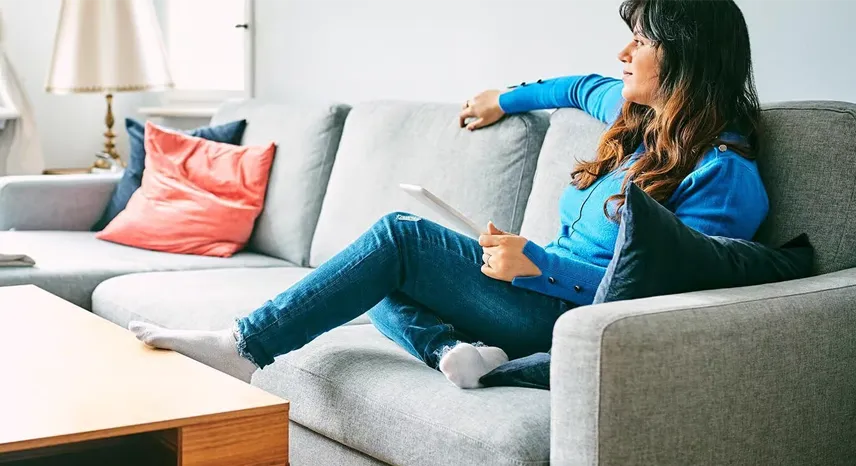
Have you ever walked into a room and instantly felt happy, calm, or even stressed? The design of our surroundings plays a big role in how we feel every day. The colors on the walls, the furniture arrangement, the amount of light, and even the space’s organization can shape our emotions without us even realizing it. A cluttered room can make us feel anxious, while a bright and open space can bring peace and clarity. We spend a lot of time indoors, whether at home, work, or other places. Because of this, the way these spaces are designed has a huge impact on our mood and mental state. By understanding how space affects us, we can make small changes to improve our well-being. Whether adding plants, choosing soothing colors, or arranging furniture to make movement easy, little adjustments can make a big difference. In this blog, we will explore how different aspects of space influence our emotions and how we can design our surroundings to feel better every day.
How Color Affects Your Mood
Color is one of the most powerful elements in any space. It can influence our emotions, energy levels, and even productivity. Different colors trigger different feelings. Choosing the right colors for different spaces allows you to set the mood that best suits your needs.
- Warm Colors (Red, Orange, Yellow): These colors bring energy and warmth. They can make a space feel cozy and lively. However, too much red can create stress or excitement, while yellow can bring happiness but may feel overwhelming if too bright.
- Cool Colors (Blue, Green, Purple): These colors promote calmness and relaxation. Blue can make a room feel peaceful, while green is linked to nature and can be refreshing. Purple, especially in lighter shades, adds a sense of calm and creativity.
- Neutral Colors (White, Beige, Gray): These colors create balance and can make a space feel open and airy. They provide a clean background for other elements in the room. However, too much gray can sometimes feel dull or uninviting.
The Impact of Natural Light
Light plays a huge role in how we feel inside a space. Natural sunlight boosts happiness, improves sleep, and increases energy. A bright room with plenty of natural light makes us feel more awake and positive, while a dark, poorly lit room can make us feel tired and even sad. If your space does not get a lot of natural light, try using soft, warm artificial lighting. White or blue-toned lights can help with focus, while yellow or warm lights create a relaxing atmosphere. Positioning mirrors near windows can also help reflect more natural light into a room, making it feel brighter and more welcoming.
How Clutter Affects Stress Levels
A messy, cluttered space can make it hard to relax. When there are too many things lying around, our brains feel overwhelmed, making it harder to focus and feel at ease. On the other hand, an organized and tidy space brings a sense of control and calmness. Decluttering does not mean getting rid of everything. It simply means keeping what you need and organizing things in a way that makes life easier. Using storage solutions, keeping surfaces clear, and having a regular cleaning routine can help create a space that feels peaceful and stress-free.
The Role of Furniture Arrangement
How furniture is placed in a room affects movement, comfort, and even how social we feel. If the furniture is too close together, it can feel cramped, while too much empty space can make a room feel cold and uninviting. By arranging furniture thoughtfully, you can create a space that feels both functional and emotionally uplifting.
- Open Spaces: Rooms with open pathways make movement easy and create a sense of flow. This can make a space feel more comfortable and less stressful.
- Seating Arrangements: Placing chairs and sofas to face each other encourages conversation, making a space more social and inviting. In contrast, seating that faces away from others may feel less welcoming.
- Multifunctional Spaces: In small spaces, furniture that serves multiple purposes, like storage ottomans or foldable tables, can make a room feel more spacious and organized.
The Effect of Nature and Greenery
Nature has a calming effect on the mind. Being surrounded by plants and natural elements can reduce stress and boost mood. Indoor plants make a space look beautiful, improve air quality, and create a sense of freshness. Even if you do not have space for large plants, small potted plants, hanging plants, or even a small indoor herb garden can make a difference. Natural materials like wood, stone, and water also bring a sense of calmness and connection to nature.
Textures and Materials in Space Design
The textures and materials used in a space also influence our feelings. Soft materials like plush rugs, velvet cushions, and cozy blankets create a warm and inviting atmosphere, making us feel comfortable. In contrast, hard materials like metal, glass, and stone can give a sleek and modern feel but may sometimes feel cold or unwelcoming. You can create a balanced and pleasant environment by mixing textures, such as soft fabric with wood or smooth surfaces with textured ones.
The Power of Personalization
A space that reflects your personality makes you feel more connected to it. Adding personal touches like family photos, artwork, or meaningful decorations can bring comfort and happiness. A home or workspace that feels personal and unique can increase motivation and emotional well-being. Personalization does not mean filling a space with too many decorations. A few meaningful items placed thoughtfully can make aroom feel warm and inviting without creating clutter.
To conclude, the way a space is designed has a huge impact on our emotions and overall well-being. From the colors on the walls to the way furniture is arranged, every little detail shapes our experience. A bright, open space can bring happiness, while a cluttered or poorly lit room can increase stress. By understanding how design elements like light, color, texture, and organization affect our mood, we can make simple changes to improve our surroundings. Creating a comfortable and uplifting space does not have to be expensive or complicated. Small adjustments like adding plants, choosing soothing colors, or organizing belongings can transform our feelings. Whether at home or work, thoughtful design choices can make a space more inviting, relaxing, and inspiring. Our environment plays a silent but powerful role in shaping our mood daily. By designing our spaces with care, we can create places that support happiness, reduce stress, and enhance overall well-being. After all, the spaces we live in should look good and make us feel good.
Recent Blogs
-

The Ultimate At-Home Soccer Training Setup: 3 Essentials Every Player Needs
-

Flawless Beauty Essentials: The Natasha Denona Products Worth Adding to Your Makeup Collection
-

The Secret to Invisible Underwear: Finding Styles That Disappear Under Clothes
-
Transform Your Sleep Experience with Origin Mattress
-
Minimal Effort, Maximum Elegance: The Power of Modern Knit & Pleated Silhouettes