The Hidden Speed Factor in Cycling: Why Valve Technology Matters More Than You Think

Most cyclists spend their energy obsessing over the obvious upgrades: lighter wheels, faster-rolling tires, carbon frames, and aerodynamic positioning.
Why Cyclists Overlook One of the Most Important Performance Parts
Most cyclists spend their energy obsessing over the obvious upgrades: lighter wheels, faster-rolling tires, carbon frames, and aerodynamic positioning. These are the headline changes that promise speed gains and improved performance. But hidden deep inside the wheel system is a component that rarely gets attention despite influencing nearly every ride: the tubeless valve.
It does not look exciting. It does not get discussed in group rides. It is not the first thing you upgrade when building a bike. Yet the valve quietly controls how quickly you can inflate your tire, how efficiently sealant flows during setup, and how smoothly maintenance happens when things go wrong.
In tubeless systems especially, where air and sealant must move freely and efficiently, valve design becomes more than a minor detail. It becomes a performance factor.
The Simple Physics Behind Tubeless Airflow
To understand why valve technology matters, you need to understand one simple concept: airflow restriction.
Air moves from high pressure to low pressure, but the rate at which it moves depends on how easily it can pass through a channel. In tubeless setups, that channel is the valve core. If the passage is narrow or partially obstructed, airflow slows down significantly.
Now add sealant into the system. Tubeless sealant contains particles designed to seal punctures, but those same particles can clog narrow valve openings. This creates resistance, reduces airflow, and makes inflation slower and more frustrating.
A standard tubeless valve works fine under ideal conditions. But cycling is not always ideal. Dust, sealant buildup, temperature changes, and repeated use all impact performance. That is where valve engineering becomes critical.
High-flow valve systems are designed to reduce these restrictions by increasing internal diameter and improving direct airflow paths. This is not just a comfort upgrade. It directly impacts how quickly a tire seats, how easily air flows during inflation, and how reliably sealant can be injected or removed.
Why Traditional Tubeless Valves Create Hidden Friction
Traditional tubeless valves were designed when tubeless systems were simpler and less performance-driven. While they still function, they introduce several small inefficiencies that accumulate over time.
First is inflation speed. Narrow internal channels restrict airflow, which means you need more pump strokes or higher compressor pressure to seat the tire bead. This becomes especially noticeable with modern wide tire setups.
Second is sealant clogging. As sealant dries or accumulates near the valve core, it reduces airflow even further. This leads to inconsistent inflation and occasional complete blockages that require cleaning or valve removal.
Third is maintenance friction. Adding or removing sealant becomes messy and time-consuming because the valve cannot handle fast liquid flow efficiently.
Individually, these issues may seem minor. But combined, they affect the overall riding experience. A five-minute delay during setup might not sound significant, but over weeks and months of riding, it adds up to frustration, wasted time, and inconsistent performance.
The Real Impact of Valve Performance on Ride Preparation
Cycling performance is not just about what happens on the trail or road. It begins long before the ride starts.
Imagine preparing for a morning ride. You check tire pressure, top up sealant, and realize the tire is slightly low. With a standard valve, inflation can take longer than expected. You pump, pause, check, pump again, and struggle to get a consistent bead seal.
Now multiply that by frequent rides, puncture repairs, and seasonal maintenance. Setup time becomes a recurring bottleneck.
Efficient valve systems eliminate this friction. High-flow designs allow air to move rapidly into the tire chamber, helping the bead seat more quickly and reducing the effort needed to reach optimal pressure. This means less time preparing and more time riding.
This is where modern tubeless valve systems shift from convenience tools to performance tools.
Product Tier Breakdown: Choosing the Right Valve for Your Riding Style
Not every cyclist needs the same level of performance. Valve technology has evolved into tiers that match different riding demands, from casual commuting to competitive trail riding.
Tubeless Valves V2: Reliable Everyday Performance
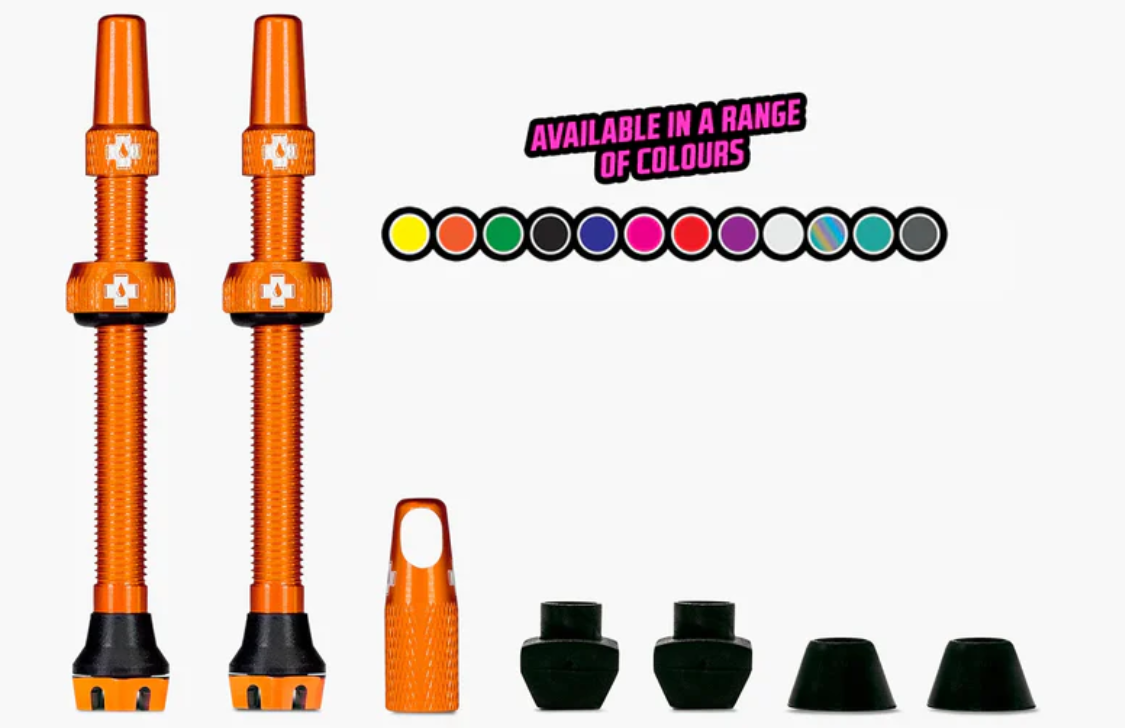
The Tubeless Valves V2 represent a dependable foundation for most cyclists. Designed for general use, they provide consistent airflow and compatibility with a wide range of tubeless setups.
For riders who prioritize simplicity and reliability over speed optimization, these valves deliver a stable experience. They are suitable for commuters, recreational cyclists, and anyone who wants a straightforward tubeless system without overcomplication.
While they do not maximize airflow like advanced systems, they offer predictable performance and easy maintenance under normal riding conditions.
Big Bore Lite Tubeless Valves: The Performance Upgrade
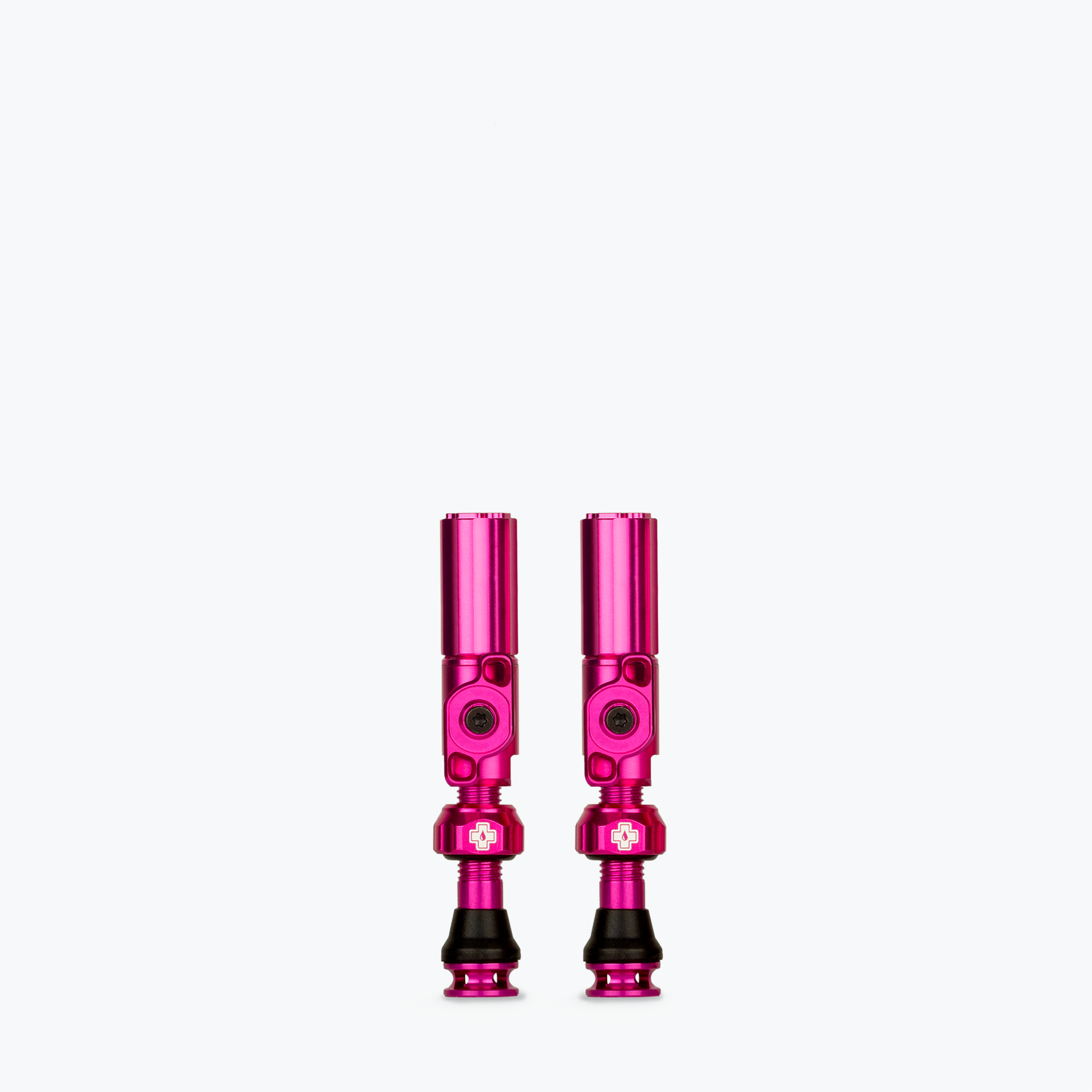
The Big Bore Lite Tubeless Valves are designed for riders who want noticeable improvements without moving into full professional-grade systems.
The key advantage is increased airflow efficiency. With a wider internal passage, air moves more freely during inflation and tire seating. This reduces pump effort and speeds up setup time.
For gravel riders, trail cyclists, and performance-focused road riders, this upgrade becomes immediately noticeable. Tire seating becomes smoother, sealant injection becomes easier, and overall system responsiveness improves.
This is the point where valve technology transitions from background component to performance enhancer.
Big Bore Hybrid Tubeless Valves: Maximum Flow for Demanding Riders
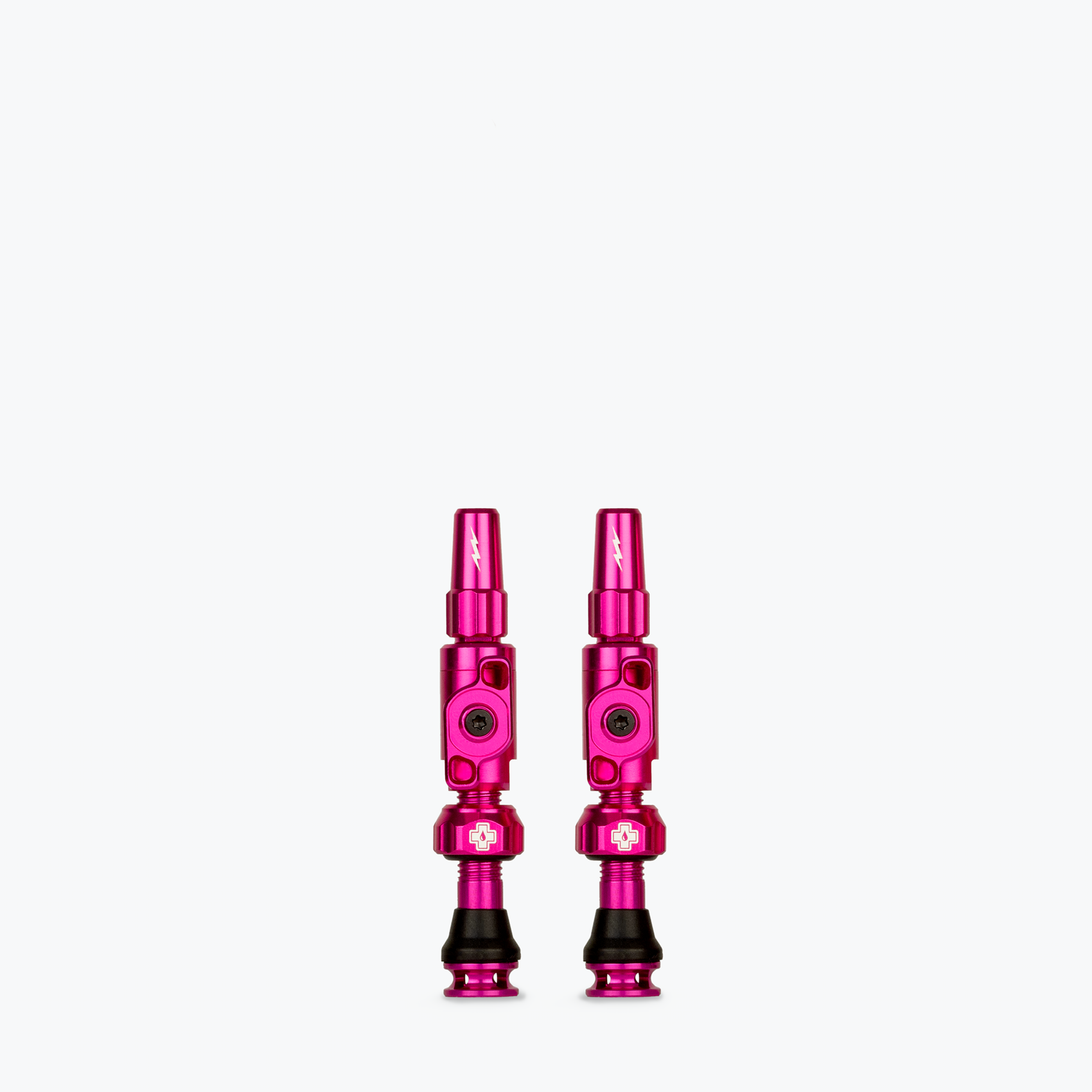
At the top of the system are the Big Bore Hybrid Tubeless Valves. These are engineered for riders who demand maximum airflow efficiency and near-instant inflation response.
The design focuses on eliminating internal restrictions entirely, allowing air and sealant to pass through with minimal resistance. This is especially useful for aggressive riders, enduro mountain bikers, and anyone who frequently sets up or repairs tubeless systems under time pressure.
The real benefit here is speed under pressure situations. Whether you are reseating a tire on the trail or topping up sealant before a race, these valves minimize downtime and maximize control.
In practical terms, they represent the closest experience to a “no-delay” tubeless system.
Airflow Efficiency: Why Small Changes Create Big Differences
Airflow efficiency is often misunderstood because the changes seem small on paper. A slightly wider channel or improved internal structure does not sound dramatic.
But in practice, airflow behaves exponentially under restriction. Even a small reduction in resistance can significantly increase inflation speed. This is why high-flow valves feel disproportionately faster compared to standard ones.
It is not just about pumping air faster. It is about reducing pressure loss, minimizing backflow, and allowing consistent sealant distribution during setup. These improvements compound across every interaction with the tire system.
Sealant Flow and Maintenance Efficiency
Tubeless sealant is essential for puncture protection, but it introduces complexity into the system. Over time, sealant can dry, settle, or partially clog valve openings.
High-performance valve systems improve sealant flow in two key ways. First, they allow easier injection during setup, reducing mess and wasted material. Second, they reduce buildup at the valve core, which keeps airflow consistent over longer periods.
This means fewer maintenance interruptions and more reliable performance between rides. For riders who cover long distances or ride in remote areas, this reliability becomes extremely valuable.
Real-World Benefits Beyond Performance Stats
The benefits of valve technology are not just technical. They directly affect how cycling feels in everyday life.
Faster inflation means less frustration before rides. Improved airflow means fewer pump struggles on the trail. Better sealant handling means cleaner maintenance sessions. Over time, these small improvements change how often riders enjoy their bikes versus how often they deal with setup issues.
Cycling is ultimately about time spent riding, not time spent preparing. Valve efficiency helps shift that balance.
Standard vs High-Flow Tubeless Systems Compared
Standard tubeless systems prioritize simplicity and cost efficiency. They work well under normal conditions but introduce limitations in airflow and maintenance.
High-flow systems prioritize speed, efficiency, and ease of use. They reduce inflation time, improve sealant handling, and provide more consistent performance under stress.
The difference becomes most obvious in real-world scenarios: quick tire repairs, pre-ride inflation, and frequent setup changes. Riders who upgrade typically notice not just better performance, but a smoother overall cycling experience.
Conclusion: Why Valve Technology Deserves More Attention
Cycling performance is often thought of as a battle of big upgrades, but the reality is that small components quietly shape the entire experience. Tubeless valves are one of those components.
From airflow physics to sealant flow, from inflation speed to maintenance ease, valve technology influences every stage of the ride cycle. Standard systems offer reliability, but high-flow systems unlock efficiency that becomes increasingly valuable as riding demands increase.
Whether choosing the dependable Tubeless Valves V2, the performance-focused Big Bore Lite, or the high-efficiency Big Bore Hybrid, the key takeaway is simple: the smallest parts often control the biggest delays.
And in cycling, reducing delay means increasing ride time.
Recent Blogs
-

The Ultimate At-Home Soccer Training Setup: 3 Essentials Every Player Needs
-

Flawless Beauty Essentials: The Natasha Denona Products Worth Adding to Your Makeup Collection
-

The Secret to Invisible Underwear: Finding Styles That Disappear Under Clothes
-

Transform Your Sleep Experience with Origin Mattress
-

Minimal Effort, Maximum Elegance: The Power of Modern Knit & Pleated Silhouettes