Latest Sports Technologies To Optimize Athlete Potential: Learn How

Technology and sports have advanced significantly. New technologies have started to significantly impact how athletes practice, compete, and recuperate in recent years.
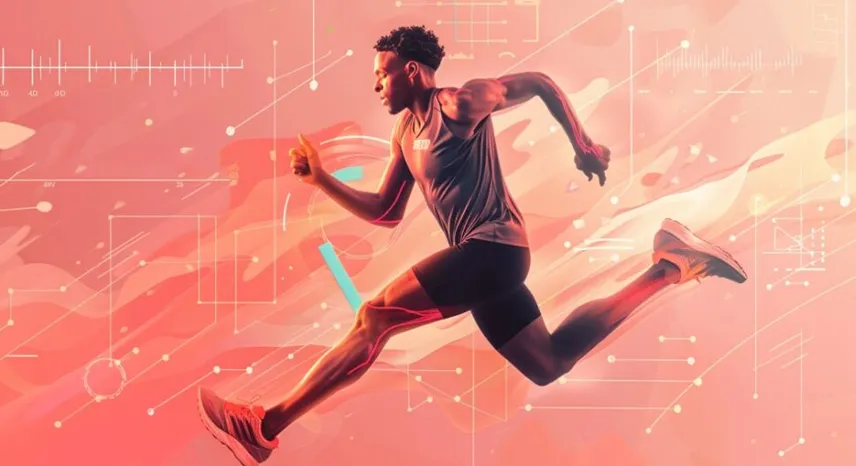
Technology and sports have advanced significantly. New technologies have started to significantly impact how athletes practice, compete, and recuperate in recent years. Virtual training aids and high-tech wearables are just two examples of how technology is enabling athletes to realize their greatest potential. Athletes today use data and innovative technology to improve their methods in addition to their physical prowess.
Knowing and utilizing the appropriate technologies may make a significant impact, regardless of whether you're a professional athlete or someone looking to improve your fitness. This blog will explore some of the newest sports technologies that are enabling athletes to reach their full potential and achieve unprecedented levels of performance.
Wearable Technology: How To Track Performance In Real-Time?
One of the most common ways technology is helping athletes today is through wearable devices. These gadgets, including smartwatches, fitness trackers, and specialized gear like heart rate monitors or smart shoes, collect data during training sessions and competitions.
For example, wearables can measure an athlete's heart rate, calories burned, steps taken, and even stress levels. They give real-time feedback about the athlete’s performance and recovery, allowing them to adjust their training or diet accordingly.
These devices help athletes stay on top of their performance, prevent overtraining, and ensure they’re pushing themselves in the right way. By tracking everything from movement patterns to sleep cycles, wearables make it easier to design a personalized training plan that works for each individual.
Artificial Intelligence and Machine Learning: Personalized Training Plans
Artificial Intelligence (AI) and Machine Learning (ML) are making their mark in the world of sports by providing smarter, more efficient ways to train athletes. These technologies can analyze vast amounts of data, including performance metrics, game footage, and even an athlete’s biometrics.
One of the main benefits of AI is the ability to create personalized training programs. By analyzing an athlete’s past performance and data, AI can suggest exercises that focus on improving weaknesses or enhancing strengths. This level of customization helps athletes get more out of their workouts and achieve better results.
Machine learning algorithms can also predict when an athlete is at risk of injury by analyzing stress patterns and other data points, ensuring that athletes train safely and sustainably.
Virtual Reality (VR) and Augmented Reality (AR): Enhancing Skills and Techniques
Virtual Reality (VR) and Augmented Reality (AR) are game-changers in the world of sports training. These technologies allow athletes to train in highly realistic simulations that replicate game situations, helping them hone their skills without physical wear and tear.
In VR, athletes wear a headset that immerses them in a virtual environment where they can practice techniques, strategy, and even mental focus. For example, athletes can simulate game scenarios, allowing them to practice decision-making and reaction times without being on the field.
On the other hand, Augmented Reality (AR) enhances real-world environments by overlaying digital information. AR can be used to improve technique, like helping athletes visualize their form or track movement during specific drills. For instance, AR can give real-time feedback during workouts, showing athletes where their form needs improvement.
VR and AR provide athletes with the advantage of practicing and refining their skills in a controlled, low-risk environment, making training more effective and efficient.
Biomechanics: Understanding Movement for Better Performance
The study of the mechanical principles governing movement is known as biomechanics. In sports, this technology analyzes an athlete's actions during practice or competition using sensors and motion capture devices. Biomechanics technology helps people find areas where their technique and performance need to be improved by analyzing how their bodies move.
Tools can monitor an athlete's posture, balance, and gait, for instance, to help them with pitching or running form. By identifying even the slightest inefficiencies in an athlete's movement, these technologies enable focused modifications that improve performance and lower the chance of injury.
Additionally, biomechanics can be used to create footwear and equipment that are specifically tailored to an athlete's physical attributes, offering additional support where it's most needed.
Recovery Technologies: Boosting Performance Through Rest
Proper recovery is essential to maximizing athletic performance, and technology plays a crucial role in ensuring athletes rest and recover effectively. Technologies like cryotherapy, hyperbaric oxygen therapy (HBOT), and electrical muscle stimulation (EMS) are becoming increasingly popular among athletes for improving recovery times and enhancing muscle repair.
After rigorous training, cryotherapy helps lessen inflammation and muscle stiffness by briefly exposing the body to extremely low temperatures.
By boosting oxygen levels in the body, encouraging quicker tissue repair, and lowering fatigue, HBOT aids athletes in recovering more quickly.
EMS promotes blood flow and speeds up muscle recovery by stimulating muscular contractions with electrical pulses.
These days, a lot of athletes use these recuperation technologies as part of their regimen to stay in top shape and give their best effort.
Data Analytics: Making Smarter Decisions
In sports, data analytics has emerged as a potent instrument for monitoring and evaluating performance patterns over time. Coaches and athletes may make better decisions about anything from training intensity to game strategy by gathering and analyzing data.
Advanced analytics are used by sports organizations to analyze player performance, forecast results, and create plans. Teams can gain insight into player matches, positioning, and shooting efficiency by monitoring every movement.
Data analytics systems give individual athletes comprehensive information about their training regimens and performance indicators. Athletes can use these analytics tools to monitor their development, establish objectives, and modify their training regimens in light of concrete data.
The use of technology in sports has given players new ways to improve their performance, train more effectively, and recuperate more quickly. Among the resources available to assist athletes reach their full potential are wearable technology, AI-powered training regimens, virtual reality simulations, biomechanics analysis, and recovery technologies. In addition to pushing the boundaries of their physical capabilities, athletes can improve their mental toughness, lower their risk of injury, and make better judgments by utilizing these state-of-the-art tools. By utilizing the newest sports technologies, you may improve your performance regardless of your degree of experience.
Recent Blogs
-
The Ultimate At-Home Soccer Training Setup: 3 Essentials Every Player Needs
-

Flawless Beauty Essentials: The Natasha Denona Products Worth Adding to Your Makeup Collection
-

The Secret to Invisible Underwear: Finding Styles That Disappear Under Clothes
-

Transform Your Sleep Experience with Origin Mattress
-

Minimal Effort, Maximum Elegance: The Power of Modern Knit & Pleated Silhouettes