How to Choose Eco-Friendly Decor for Sustainable Living

In recent years, sustainable living has gained significant traction, encouraging many individuals to reevaluate their choices in all aspects of life, including home decor.
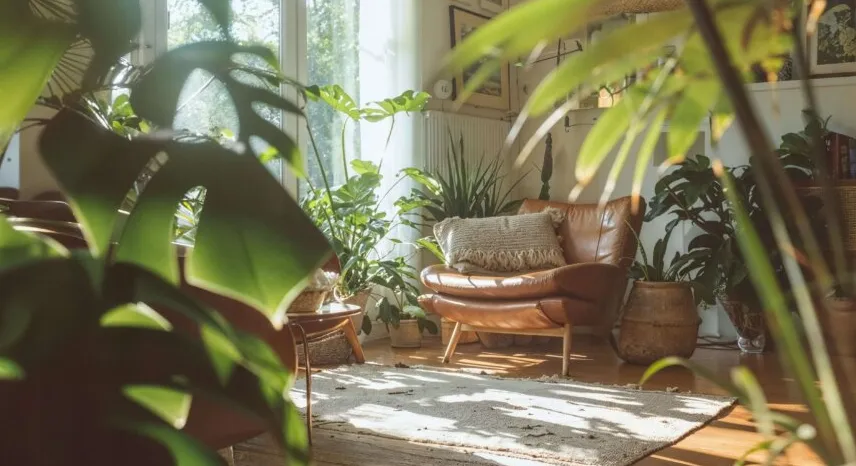
In recent years, sustainable living has gained significant traction, encouraging many individuals to reevaluate their choices in all aspects of life, including home decor. Our choices for our living spaces can profoundly impact the environment, and opting for eco-friendly decor is a meaningful way to contribute positively to our planet. This blog offers essential tips and product recommendations to help you choose eco-friendly decor that enhances your home while aligning with your commitment to sustainability.
1. Defining Eco-Friendly Decor
To start, it's vital to clarify what eco-friendly decor entails. This term typically refers to home furnishings and decorations crafted from sustainable materials and produced through environmentally responsible processes. Such items may include those recycled, upcycled, or made from renewable resources. Furthermore, eco-friendly decor aims to minimize environmental harm, fostering a healthier living space for inhabitants and the planet.
2. Your Space and Needs
As you embark on your journey to create a sustainable home, the first step is to evaluate your space and needs. Take some time to assess the rooms you wish to decorate, considering factors like the size of the area, existing color schemes, and your lifestyle. For example, if you have pets or young children, you might prioritize durable materials that withstand wear and tear. Understanding your specific requirements will enable you to curate a more thoughtful selection of eco-friendly products.
3. Choose Natural Materials
One of the most effective ways to ensure your decor is eco-friendly is by selecting items made from natural materials. Seek out products crafted from wood, bamboo, cotton, linen, or jute, as these materials are biodegradable and often sourced sustainably. For instance, bamboo is a rapidly renewable resource that grows quickly and requires minimal chemicals for cultivation. When selecting wooden furniture, opt for pieces made from reclaimed wood, which reduces waste and adds unique character to your decor.
4. Think About the Lifecycle of Products
When choosing decor, it is crucial to consider the lifecycle of products. This includes reflecting on how an item is made, its longevity, and what happens once it reaches the end of its life. Look for decor items designed for durability and long-term use. High-quality products made from sustainable materials may have a higher initial cost but will save you money over time by reducing the need for replacements.
For example, think about investing in a handcrafted ceramic vase. Such vases add elegance to your decor and are intended to last for generations. When they eventually break, they can be recycled or repurposed, thus minimizing environmental impact.
5. Incorporate Vintage and Upcycled Decor
An effective strategy for choosing eco-friendly decor is incorporating vintage and upcycled items. Thrift stores, flea markets, and online marketplaces often offer unique pieces that can infuse character into your home while decreasing demand for new products. By selecting second-hand items, you breathe new life into forgotten treasures and reduce the carbon footprint of manufacturing new goods.
Consider adding a vintage rug or an upcycled coffee table to your living room. These pieces can spark conversation and showcase your commitment to sustainable living. Additionally, the charm of vintage items can bring warmth and personality to your space that mass-produced decor often lacks.
6. Focus on Energy Efficiency
Sustainable living extends beyond decor; it also encompasses the overall energy efficiency of your home. When selecting decor, consider items that contribute to energy efficiency. For example, choosing energy-efficient lighting can significantly lower your electricity consumption. Look for LED bulbs or fixtures made from sustainable materials, as they consume less energy and have a longer lifespan than traditional bulbs.
Window treatments also present an opportunity to improve energy efficiency. Opt for insulated curtains or shades made from organic fabrics that help regulate indoor temperatures, reducing the need for excessive heating or cooling. By focusing on energy-efficient decor, you can create a comfortable living environment while minimizing environmental impact.
7. Add Plants to Your Decor
Plants are a fantastic addition to any eco-friendly decor scheme. Not only do they beautify your home, but they also improve air quality by filtering toxins and releasing oxygen. When selecting plants, consider incorporating native species that thrive in your local climate, as they typically require less water and maintenance.
If you're not exceptionally skilled in plant care, consider low-maintenance options like succulents or snake plants. You can also seek out eco-friendly planters made from recycled or biodegradable materials. By incorporating plants into your decor, you not only elevate your space but also nurture a healthier indoor environment.
8. Select Non-Toxic Paints and Finishes
When decorating your walls, choosing non-toxic paints and finishes is critical for a truly eco-friendly home. Traditional paints often contain volatile organic compounds (VOCs), which can negatively affect indoor air quality. Instead, opt for paints labeled as low-VOC or zero-VOC. These alternatives are safer for your health and have a lower environmental impact.
Additionally, consider the finishes of your furniture and decor items. Look for water-based finishes or those made from natural oils. This way, you can enjoy beautifully finished surfaces without compromising sustainability.
9. Research Eco-Friendly Brands and Products
As demand for sustainable living rises, numerous brands create eco-friendly products catering to conscious consumers. When selecting decor, take the time to research brands that prioritize sustainability. Look for certifications such as FSC (Forest Stewardship Council) for wood products or GOTS (Global Organic Textile Standard) for textiles.
For instance, brands like West Elm and Pottery Barn offer various eco-friendly decor options, from sustainably sourced furniture to organic bedding. Supporting these companies allows you to impact the environment while decorating your home with style positively.
10. Personalize with Intention
Ultimately, eco-friendly decor is not solely about materials; it also involves personalization. Choose items that reflect your personality and tell your story. Incorporate artwork from local artists, family heirlooms, or handmade crafts that resonate with you. By curating a space that feels authentically yours, you can create a home that is not only beautiful but also meaningful.
Selecting eco-friendly decor is a powerful way to enhance sustainable living while beautifying your space. By defining eco-friendly decor, choosing natural materials, incorporating vintage pieces, focusing on energy efficiency, adding plants, and researching eco-friendly brands, you can create a living area that aligns with your values. Remember that each small choice contributes to a more significant impact, and through mindful decisions, you can cultivate a stylish and sustainable home. Let your decor showcase your aesthetic preferences and reflect your commitment to protecting our planet for future generations.
Recent Blogs
-

The Ultimate At-Home Soccer Training Setup: 3 Essentials Every Player Needs
-

Flawless Beauty Essentials: The Natasha Denona Products Worth Adding to Your Makeup Collection
-

The Secret to Invisible Underwear: Finding Styles That Disappear Under Clothes
-
Transform Your Sleep Experience with Origin Mattress
-

Minimal Effort, Maximum Elegance: The Power of Modern Knit & Pleated Silhouettes