How New Tech is Improving Sports Training?

Technology has become essential in many areas of our daily life, including sports training.
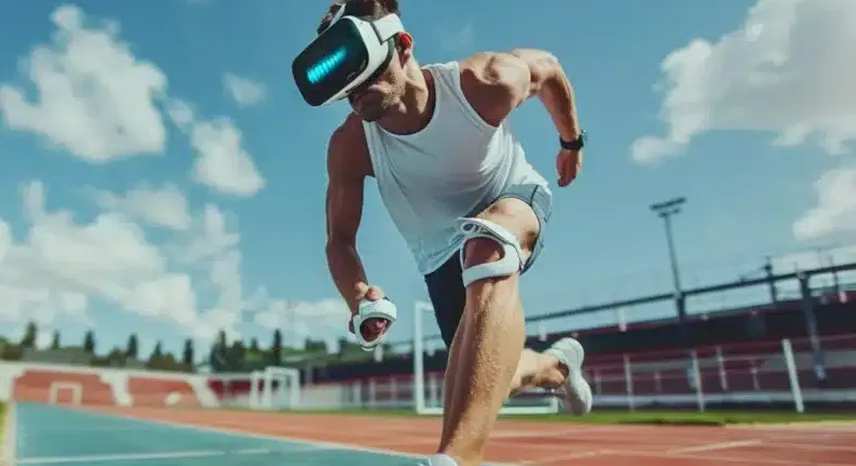
Technology has become essential in many areas of our daily life, including sports training. With personalized training plans and performance monitoring, fitness technology is changing the game for athletes, coaches, and fitness enthusiasts alike. Whether you're trying to get fitter or are a professional athlete, the right tech tools can give you the edge you need.
The Rise of Fitness Trackers and Wearables
One of the most significant ways that fitness technology is impacting sports training is through wearable devices. Fitness trackers and smartwatches are now common gadgets for athletes and everyday gym-goers alike. These devices don’t just tell time they track your heart rate, steps, calories burned, sleep patterns, and even your stress levels.
For example, fitness trackers can measure the intensity of your workouts, providing real-time feedback on your performance. This information helps athletes monitor how hard they're pushing themselves and adjust their routines accordingly. Wearable technology also enables athletes to track long-term progress, making it easier to set and achieve fitness goals.
Whether you’re a runner, cyclist, or weightlifter, these devices provide data that can be used to enhance your performance. They give insights into things like your speed, distance, and cadence, helping athletes fine-tune their training techniques. These fitness gadgets provide detailed reports and insights, which can be shared with coaches for personalized training plans.
Gone are the days of relying solely on guesswork when it comes to sports training. With the advancement of technology, smart sports equipment is now a part of many training routines. From smart basketballs to smart tennis rackets, the world of sports has seen a surge in high-tech tools that help athletes train with greater precision.
Take smart basketballs, for example. These balls have built-in sensors that track the speed, spin, and trajectory of your shots. By collecting data on each shot, you can analyze your shooting technique and make adjustments to improve accuracy. This is especially helpful for players who want to fine-tune their skills in a specific sport, whether it’s basketball, tennis, or even golf.
In addition to improving skills, smart sports equipment also tracks performance over time, allowing athletes to measure progress. Smart tennis rackets, for instance, measure things like ball impact and swing speed, helping tennis players understand their strengths and weaknesses.
Another way fitness technology is changing sports training is through virtual coaching. Today, many athletes use fitness apps and online platforms to receive personalized workout routines and guidance from top coaches, all without leaving their homes. Whether it’s running, yoga, strength training, or sports-specific drills, there’s an app designed to suit every need.
For example, apps offer personalized workout programs that you can do at home or the gym. These apps give you detailed instructions, progress trackers, and even virtual coaching to guide you through each workout.
Sports-specific apps are also helping athletes train for particular sports. Apps for running offer virtual training experiences that allow users to train in real-time with others from around the world. With live classes, virtual competitions, and personalized feedback, athletes can train anytime, anywhere.
Additionally, virtual coaches have become more advanced, using artificial intelligence (AI) to deliver tailored training advice. These coaches can adjust your training based on your performance, ensuring that your workouts are always challenging and progressive.
One of the biggest advantages of fitness technology is the ability to collect and analyze vast amounts of data. Data analytics is now an essential part of sports training. Athletes and coaches can use data to track improvements, identify weak points, and make more informed decisions about training and recovery.
For example, motion sensors and biomechanical tracking systems are used by professional athletes to assess their movements in detail. By capturing your running form, swimming stroke, or even your weightlifting posture, these systems help identify areas for improvement. The insights gained from this data help refine techniques and reduce the risk of injury.
Wearables like smartwatches also collect valuable data that helps athletes make adjustments to their routines. For instance, heart rate variability (HRV) is a key indicator of recovery. By tracking HRV, athletes can determine when they need rest or when they’re ready for more intense training. This data-driven approach helps athletes train smarter and more efficiently.
Fitness technology isn't just about improving performance; it's also playing a key role in injury prevention and recovery. With tools like compression therapy devices, electronic muscle stimulators, and cryotherapy equipment, athletes can speed up recovery and avoid injuries that might otherwise sideline them.
For example, muscle stimulation devices send electrical impulses to muscles to help them relax, recover, and heal faster. These devices are often used by athletes after intense training sessions to help reduce muscle soreness and improve blood circulation.
Compression therapy is another popular recovery tool. Compression garments or devices apply pressure to specific areas of the body, helping to reduce swelling and improve recovery times. Many professional athletes use these devices to recover faster and get back into training more quickly.
Additionally, AI-powered recovery apps are becoming more common. These apps use data collected from wearables to recommend personalized recovery plans, ensuring athletes get the rest and treatment they need to avoid overtraining or injuries.
While physical fitness is important, mental toughness is just as crucial in sports. Fortunately, technology is now helping athletes train their minds as well. Apps focused on mental performance training are becoming increasingly popular, offering tools for mindfulness, visualization, and stress management.
There are also specialized brain training tools that help athletes improve reaction times and cognitive abilities. Using simple games and exercises, athletes can improve mental agility, decision-making, and focus, which are all essential for sports performance.
As technology continues to advance, the future of sports training looks incredibly exciting. Expect to see more personalized training experiences, smarter gadgets, and enhanced virtual coaching in the coming years. Smart gyms, for example, might offer tailored workouts based on your performance data, while wearable tech will become even more advanced, offering real-time health insights. Fitness technology is transforming sports training, making it more accessible, personalized, and data-driven. With wearable devices, smart equipment, and virtual coaching, athletes can train more effectively and track their progress in real-time. Whether you're a seasoned athlete or just starting your fitness journey, these technologies are opening up new possibilities for achieving your goals.
Recent Blogs
-
The Ultimate At-Home Soccer Training Setup: 3 Essentials Every Player Needs
-

Flawless Beauty Essentials: The Natasha Denona Products Worth Adding to Your Makeup Collection
-

The Secret to Invisible Underwear: Finding Styles That Disappear Under Clothes
-

Transform Your Sleep Experience with Origin Mattress
-

Minimal Effort, Maximum Elegance: The Power of Modern Knit & Pleated Silhouettes