Designing with Light: How to Maximize Natural Light in Your Home

Light is one of the most powerful elements in interior design. It can completely transform the mood, size, and energy of a room.
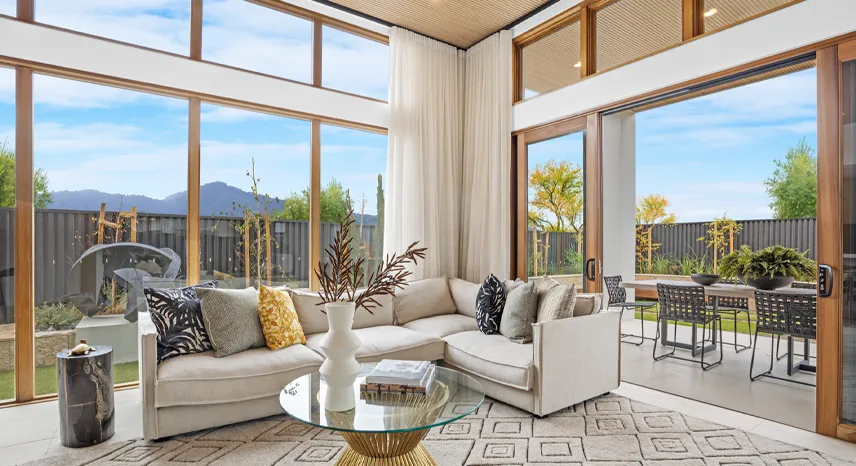
Light is one of the most powerful elements in interior design. It can completely transform the mood, size, and energy of a room. While artificial lighting is crucial for evenings and cloudy days, nothing compares to the warmth and vibrancy of natural light streaming through your windows. In fact, maximizing natural light in your home is one of the simplest and most effective ways to enhance your space, making it feel larger, more inviting, and even boosting your overall mood.
In this guide, we’ll explore how to harness the power of natural light and offer practical tips for brightening even the darkest corners of your home.
Why Natural Light Matters
Before diving into how to optimize natural light, let’s talk about why it’s so essential. Natural light can:
- Boost Your Mood: Exposure to natural light has been linked to increased serotonin levels, which improve your mood and help fight off depression and anxiety. A sunlit room can instantly lift spirits and make your space feel more uplifting.
- Make Rooms Feel Bigger: Light can create the illusion of a larger space. Bright rooms look more open and expansive, making small rooms feel more airy.
- Enhance Aesthetics: The soft glow of natural light can highlight the beauty of textures, colors, and decor pieces. It can bring out the richness of your furniture, artwork, and even plants.
- Save on Energy Bills: Relying more on natural light during the day can reduce the need for artificial lighting, which can help lower your electricity costs over time.
Now that we understand the benefits, let’s look at some practical ways to bring more natural light into your home.
1. Use Mirrors to Reflect Light
Mirrors are a simple and affordable trick for maximizing natural light. Placing mirrors across from windows allows them to reflect daylight, which can brighten up dark corners and make a room appear larger. Strategically positioned mirrors also direct the light deeper into the room, especially in spaces with fewer windows.
Tip: Opt for large, statement mirrors to amplify the light in your room and create a focal point that enhances both functionality and style.
2. Choose Light-Colored Walls and Furniture
Light, neutral tones such as whites, soft grays, light beige, and pastel colors reflect light, making rooms feel brighter and more spacious. Dark colors absorb light, which can make rooms feel smaller and more closed off. Painting walls with light shades and choosing light-colored furniture will help maximize the effect of natural light.
Tip: If you love color, you don’t have to give it up entirely. Incorporate brighter hues in accents like throw pillows, rugs, and art pieces, while keeping walls and large furniture neutral.
3. Embrace Open Floor Plans
Open floor plans are becoming more and more popular, and for good reason—they allow natural light to flow freely throughout the space. By removing unnecessary walls and barriers, you let the light move from one room to the next, keeping your entire home feeling bright and connected.
Tip: If a complete overhaul isn’t possible, consider replacing interior doors with glass panels or open shelving to allow light to travel through more areas of the house.
4. Keep Windows Unobstructed
One of the easiest ways to maximize natural light is by keeping windows unobstructed. Curtains and blinds can be heavy and block precious sunlight, so choose lightweight, sheer fabrics that let the light filter through while still providing privacy. Alternatively, consider using minimalist window treatments like Roman shades or blinds that you can easily pull up or down.
Tip: When decorating, be mindful of placing furniture or large plants near windows. Position items so that they don’t obstruct the natural light coming in.
5. Use Glass Doors and Skylights
Adding glass doors or skylights is a game-changer for bringing in natural light, especially in darker areas of the home like hallways or bathrooms. Glass doors, whether leading to a patio or even as room dividers, allow sunlight to pour in from different angles, making spaces feel more connected to the outdoors.
Tip: Consider installing skylights in rooms with little natural light or where adding windows may be impractical. Even small skylights can dramatically improve the lighting and atmosphere of a space.
6. Incorporate Reflective Surfaces
In addition to mirrors, reflective surfaces such as glass, polished metals, and glossy finishes can help bounce light around a room. Consider using glossy tiles in the kitchen or bathroom, or incorporating metallic accents in your furniture and decor to create a bright, reflective environment.
Tip: Add a metallic accent table or lamp to your living room to reflect sunlight and create a stunning focal point.
7. Use Lighter Flooring
Just as wall colors affect the light in a room, the flooring you choose can have a significant impact on how light or dark a space feels. Lighter wood or neutral-toned tiles will reflect light more than dark-colored floors, contributing to an airy atmosphere. If you're not ready to replace your flooring, consider area rugs in light tones to brighten up specific areas.
Tip: Look for laminate or engineered wood options that mimic the look of hardwood but at a fraction of the cost.
8. Strategically Place Plants for Natural Light
Plants thrive in natural light, so placing them near windows not only benefits your greenery but also adds life and vibrancy to your space. Opt for indoor plants that flourish in bright light, such as succulents, snake plants, or fiddle leaf figs. These plants will soak up the sunlight and add a fresh, organic element to your decor.
Tip: Make sure to place plants in areas where they can receive the most natural light throughout the day, such as windowsills or near glass doors.
9. Opt for Sheer or Frosted Window Treatments
For rooms that need privacy but still want to let in as much light as possible, sheer curtains or frosted window film are great solutions. Sheer curtains diffuse sunlight, providing a soft, gentle glow that brightens up the space, while frosted window films add privacy without sacrificing natural light.
Tip: Install sheer curtains on a tension rod or use frosted window decals for an easy, non-permanent solution that brightens up any room.
10. Choose the Right Window Treatments for Each Room
Not all windows are created equal, and different rooms may require different approaches to letting in natural light. In living rooms or bedrooms, opt for light, airy window treatments like sheer curtains or blinds that you can adjust to control light levels. In kitchens or bathrooms, you may want to consider frosted glass or privacy window film to allow light while maintaining privacy.
Tip: Install blinds or shades with adjustable slats to allow you to control the amount of light streaming in, offering flexibility depending on the time of day.
Recent Blogs
-

The Ultimate At-Home Soccer Training Setup: 3 Essentials Every Player Needs
-

Flawless Beauty Essentials: The Natasha Denona Products Worth Adding to Your Makeup Collection
-

The Secret to Invisible Underwear: Finding Styles That Disappear Under Clothes
-

Transform Your Sleep Experience with Origin Mattress
-

Minimal Effort, Maximum Elegance: The Power of Modern Knit & Pleated Silhouettes