5 Useful Physical and Mental Benefits of Mountain Climbing

Mountain climbing is an exhilarating adventure that challenges both the body and mind. Whether you’re scaling steep cliffs, trekking through rugged terrains, or reaching the summit of a towering peak, this activity offers immense benefits beyond the breathtaking views.
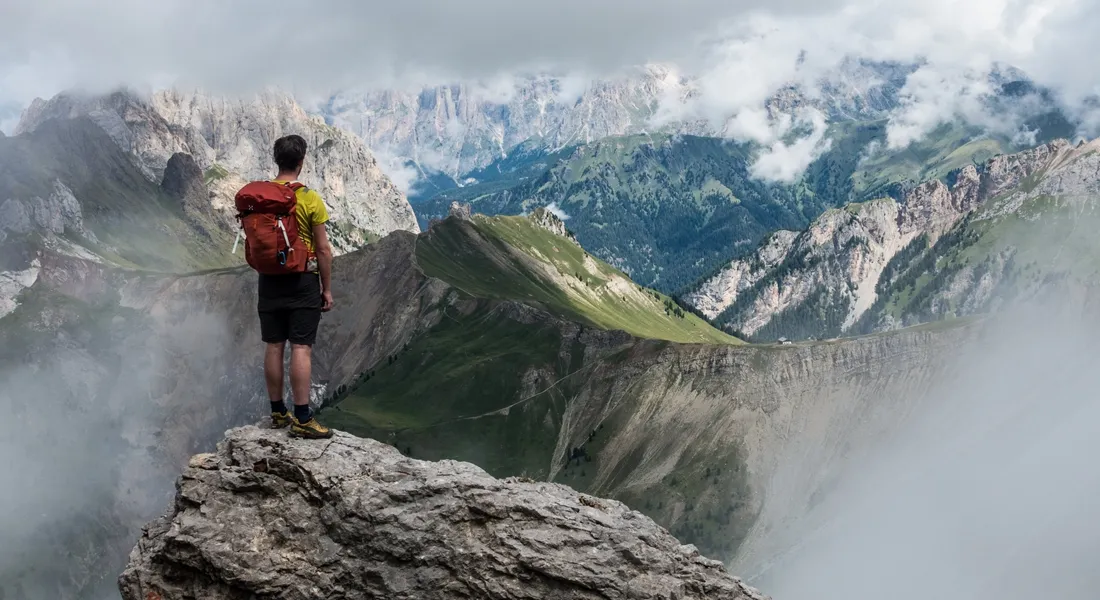
Mountain climbing is an exhilarating adventure that challenges both the body and mind. Whether you’re scaling steep cliffs, trekking through rugged terrains, or reaching the summit of a towering peak, this activity offers immense benefits beyond the breathtaking views. From improving cardiovascular health to enhancing mental resilience, mountain climbing is an excellent way to achieve holistic well-being.
In this blog, we’ll explore five powerful physical and mental benefits of mountain climbing in detail.
Builds Cardiovascular and Muscular Strength
One of the most apparent benefits of mountain climbing is the intense workout it provides. The combination of steep inclines, uneven surfaces, and prolonged physical activity significantly strengthens your heart and muscles.
Physical Benefits:
Mountain climbing is like a workout for your heart that comes with a view. As you push yourself uphill, your heart pumps faster, getting stronger with every step. Over time, this improves circulation, boosts endurance, and keeps your heart healthy—so climbing a few flights of stairs back home won’t leave you out of breath anymore. Your legs and core also get a serious upgrade. Every step, lunge, and climb engages your thighs, calves, and glutes while your core works to keep you steady. The best part? You’re not just getting stronger—you’re improving your balance and coordination, making you feel more in control of your movements, both on the trail and in daily life.
Breathing at high altitudes can feel tough at first, but it’s actually training your lungs to work better. With less oxygen in the air, your body learns to adapt, making your breathing more efficient. That means the next time you go for a run or take on a tough workout, you’ll notice you’re less winded and have more stamina.
Enhances Balance and Coordination
Climbing requires precise movements, whether it’s navigating narrow paths, carefully placing your foot on rocky ledges, or using handholds to pull yourself up. This significantly enhances balance, coordination, and agility, reducing the risk of falls and injuries in daily life.
Physical Benefits:
Mountain climbing fine-tunes your body’s natural ability to sense movement and position—something called proprioception. Ever caught yourself before tripping or instinctively adjusted your footing on a rocky path? That’s proprioception at work. The more you climb, the better your body gets at recognizing and adapting to uneven terrain, making you more agile and less clumsy in everyday life. Your stabilizer muscles, especially in your core and legs, also get a serious workout. Every time you shift your weight, reach for a foothold, or adjust your balance, these smaller muscles kick in to keep you steady. Over time, they become stronger and more responsive, helping you move with confidence whether you’re on a mountain trail or just navigating a crowded sidewalk.
The best part? All this training significantly reduces your risk of falls. As your balance, reflexes, and coordination improve, you’ll find yourself reacting faster and moving more smoothly. Whether you’re hiking, running, or even just walking on an icy street, your body will be better equipped to keep you on your feet.
Boosts Mental Resilience and Focus
Mountain climbing is as much a mental challenge as a physical one. The ability to push through fatigue, strategize routes, and stay calm under pressure develops mental toughness, discipline, and problem-solving skills.
Mental Benefits:
Mountain climbing is a masterclass in perseverance. There will be moments when your legs burn, the summit feels impossibly far, and you’re tempted to turn back. But with every step forward, you prove to yourself that you’re capable of more than you thought. That same mindset carries over into everyday life—whether it’s pushing through a tough project, overcoming setbacks, or simply refusing to give up when things get difficult. It’s also a strategic game. Every climb forces you to assess your path, manage your energy, and make quick decisions based on your surroundings. Should you take the steeper shortcut or the longer, steadier route? How much water should you conserve for the next stretch? These choices sharpen your problem-solving skills, making you more adaptable and resourceful in both outdoor adventures and real-world challenges.
Beyond physical effort, climbing is an exercise in mindfulness. You can’t afford to be distracted when navigating rugged terrain—you have to be fully present, focused on each step and breath. This immersion in the moment naturally quiets the noise of everyday worries, reducing stress and anxiety. It’s like meditation, but with breathtaking views.
Reduces Stress and Improves Mood
Spending time in nature while engaging in physical activity has profound effects on mental health. The combination of fresh air, stunning landscapes, and the sense of accomplishment releases endorphins, reducing stress and enhancing mood.
Mental Benefits:
Mountain climbing is a natural stress reliever. The combination of physical movement and fresh mountain air helps lower cortisol, the hormone responsible for stress. Ever noticed how a tough workout or time in nature makes you feel lighter, like a weight has been lifted off your shoulders? That’s because climbing forces your mind to focus on the present, leaving behind the usual worries and anxieties. By the time you finish, your stress levels have dropped, and a deep sense of relaxation takes over. On top of that, climbing gives you a natural mood boost. The exertion triggers a rush of serotonin and dopamine—your body’s feel-good chemicals. These hormones not only help with motivation and happiness but also combat feelings of depression or fatigue. That’s why reaching the summit feels so exhilarating. It’s not just about the view; your brain is literally rewarding you for the challenge.
The repetitive movements and controlled breathing in climbing create a meditative experience. As you step, breathe, and push forward, your mind clears, distractions fade, and you become fully present. It’s like meditation in motion, bringing a rare sense of peace and mental clarity that stays with you long after the climb is over. And let’s not forget the sleep benefits. After hours of physical exertion and fresh air, your body is more than ready to rest. Climbing helps regulate your sleep cycle, leading to deeper, more restorative rest. No more tossing and turning—just pure, satisfying sleep that leaves you feeling refreshed and ready for the next adventure.
Encourages a Sense of Adventure and Connection with Nature
Climbing mountains fosters a deep appreciation for the natural world and encourages a lifestyle of adventure. The thrill of conquering a peak, witnessing breathtaking sunrises, and immersing yourself in untouched landscapes enriches life in countless ways.
Lifestyle Benefits:
There’s a special kind of magic in reaching the top of a mountain. It’s not just about standing at the summit—it’s about the journey it took to get there. The moments when your legs felt like lead, when you doubted whether you could keep going, when the trail seemed endless. And yet, step by step, you pushed through. That feeling of accomplishment, of proving to yourself that you are capable of more than you ever imagined, is something you carry with you long after the climb. It reminds you that no challenge—on the mountain or in life—is too big if you take it one step at a time.
And while climbing may feel like a deeply personal journey, it’s also something that connects you with others in a powerful way. There’s a special bond that forms when you and someone else are struggling up the same tough trail, encouraging each other through the hard parts, celebrating the small wins together. Some of the strongest friendships aren’t built over coffee or casual chats—they’re built on shared experiences, on pushing each other to keep going, on watching a sunrise from the top of the world with someone who understands exactly what it took to get there.
Recent Blogs
-

The Ultimate At-Home Soccer Training Setup: 3 Essentials Every Player Needs
-

Flawless Beauty Essentials: The Natasha Denona Products Worth Adding to Your Makeup Collection
-

The Secret to Invisible Underwear: Finding Styles That Disappear Under Clothes
-

Transform Your Sleep Experience with Origin Mattress
-

Minimal Effort, Maximum Elegance: The Power of Modern Knit & Pleated Silhouettes